If you’re looking for the best headphones for autism, consider the JBL Tune 720BT for its long battery life and lightweight design. The Raycon Fitness earbuds offer great noise cancellation and comfort during activities, while Bose’s QuietComfort Ultra provides exceptional sound isolation. Apple’s AirPods Pro are perfect for detailed audio and convenience. The Sony WH-CH720N and Soundcore by Anker Q20i also excel in noise cancellation. Keep exploring to find the perfect pair tailored to your needs.
JBL Tune 720BT Wireless Over-Ear Headphones

The JBL Tune 720BT Wireless Over-Ear Headphones are an excellent choice for individuals with autism, thanks to their lightweight design and impressive battery life of up to 76 hours. Weighing only 220 grams, they’re comfortable for long listening sessions. The JBL Pure Bass sound technology delivers clear mids and crisp highs, making them perfect for various audio experiences. With Bluetooth 5.3, you can enjoy a stable connection up to 10 meters away. Their foldable design makes them easy to carry, while the soft ear cups provide a snug fit. Plus, quick charging gives you 3 hours of playtime after just 5 minutes!
Best For: Individuals with autism seeking comfortable, lightweight headphones with excellent battery life and sound quality.
Pros:
- Exceptional battery life of up to 76 hours, allowing for extended listening sessions without frequent recharging.
- Lightweight and foldable design, making them easy to transport and wear for long periods.
- JBL Pure Bass sound technology, providing clear mids and crisp highs suitable for various audio genres.
Cons:
- Some users report durability issues, particularly at the hinge points.
- The snug fit may be uncomfortable for individuals with larger heads.
- Slight compression at high volumes may be noticeable to audiophiles.
Raycon Fitness Bluetooth Wireless Earbuds with Active Noise Canceling

For individuals with autism, the Raycon Fitness Bluetooth Wireless Earbuds with Active Noise Canceling offer an exceptional way to create a calming auditory environment. Their IPX7 water-resistant design means you can wear them during intense workouts or in the rain without worry. With an impressive 56 hours of battery life, these earbuds keep distractions at bay for long stretches. The noise-canceling technology immerses you in sound, while Awareness Mode lets you stay alert when needed. Plus, their compact design and customizable fit guarantee comfort, making them perfect for any activity—be it fitness, travel, or daily communication.
Best For: Individuals seeking a reliable and comfortable audio solution for fitness, travel, and daily communication, particularly those who benefit from noise-canceling features.
Pros:
- IPX7 water-resistant design protects against sweat and rain during workouts.
- 56 hours of battery life allows for extended use without frequent recharging.
- Customizable fit with multiple gel tips ensures comfort during intense activities.
Cons:
- Noise-canceling feature may isolate users too much in certain environments.
- Compact design might not fit all ear shapes comfortably.
- Limited sound customization options for audiophiles seeking tailored sound profiles.
Bose QuietComfort Ultra Bluetooth Headphones (2nd Gen)
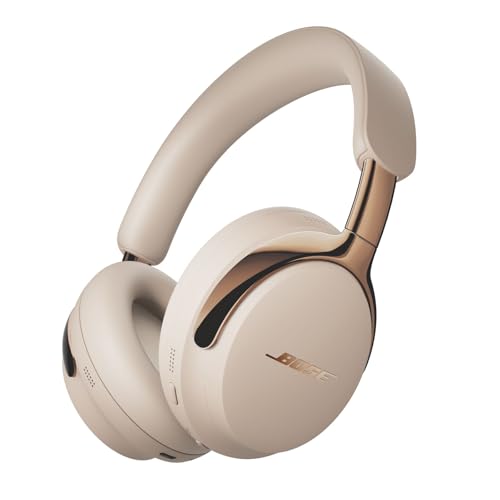
Ideal for individuals on the autism spectrum, the Bose QuietComfort Ultra Bluetooth Headphones (2nd Gen) offer unparalleled noise cancellation, allowing you to create a focused and serene auditory environment. With breakthrough spatialized audio, your music feels immersive, while Cinema Mode enhances video content for an engaging experience. Choose Quiet Mode for complete immersion or Aware Mode to stay aware of your surroundings. Enjoy up to 30 hours of playtime, and charge via USB-C while listening. The stylish design, plush cushions, and refined metal headband guarantee comfort during long sessions. Built-in microphones guarantee clear calls, filtering out background noise effortlessly.
Best For: Individuals on the autism spectrum seeking a focused and serene auditory environment.
Pros:
- Breakthrough spatialized audio enhances the listening experience by immersing users in sound.
- Exceptional noise cancellation capabilities allow for complete immersion or awareness of surroundings as needed.
- Up to 30 hours of playtime with USB-C charging enables prolonged use without interruptions.
Cons:
- The premium design may come with a higher price point compared to other headphones.
- Some users may find the fit of the refined metal headband snug, potentially causing discomfort during extended use.
- The advanced features may require a learning curve for optimal usage.
Apple AirPods Pro 3 Wireless Earbuds
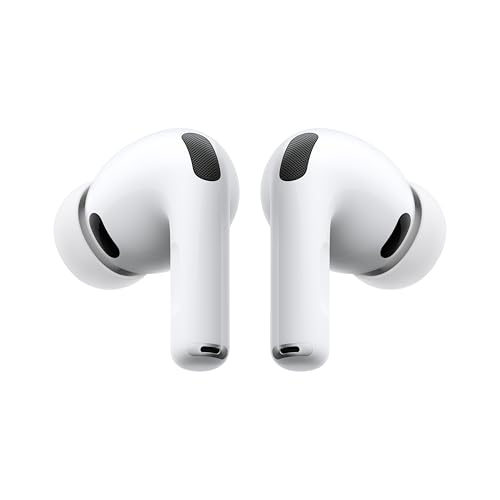
Apple AirPods Pro 3 Wireless Earbuds stand out as an excellent choice for individuals with autism, thanks to their advanced active noise cancellation technology that removes up to twice as much unwanted noise compared to the previous model. You’ll experience breathtaking audio with detailed clarity and vivid vocals, enhancing your listening experience. Plus, their built-in heart rate sensing and workout tracking features support a healthy lifestyle. With up to 8 hours of listening time and customizable ear tips for a secure fit, these earbuds cater to your needs. Enjoy seamless communication with the Live Translation feature, breaking down language barriers effortlessly.
Best For: Individuals with autism seeking enhanced audio experiences and effective noise cancellation to improve focus and communication.
Pros:
- Advanced active noise cancellation removes up to twice as much unwanted noise, creating a more immersive listening environment.
- Built-in heart rate sensing and workout tracking features promote a healthy lifestyle and support various fitness activities.
- Customizable ear tips available in five sizes ensure a secure and comfortable fit for enhanced audio performance.
Cons:
- Battery life may vary depending on usage, potentially requiring more frequent charging for heavy users.
- Higher price point compared to standard earbuds could be a barrier for some consumers.
- Limited compatibility with non-Apple devices may restrict functionality for users outside the Apple ecosystem.
Bose QuietComfort Ultra Bluetooth Headphones – Wireless Noise Cancelling

Bose QuietComfort Ultra Bluetooth Headphones are an excellent choice for individuals with autism, especially due to their advanced noise-cancelling features. With immersive spatial audio and CustomTune technology, you’ll enjoy a personalized sound experience. The headphones offer three noise-cancellation modes: Quiet, Aware, and Immersion, allowing you to control your environment effectively. Integrated microphones guarantee clear phone calls by filtering out background noise. Designed for comfort, the soft ear cushions and stylish materials make wearing them a pleasure. With up to 24 hours of battery life and touch controls, staying connected is easy, enhancing your overall listening experience.
Best For: Individuals with autism seeking a personalized and comfortable listening experience with advanced noise-cancelling capabilities.
Pros:
- Spatial audio and CustomTune technology provide an immersive and personalized sound experience.
- Three adjustable noise-cancellation modes (Quiet, Aware, Immersion) allow for effective control of the listening environment.
- Long battery life of up to 24 hours and convenient touch controls enhance usability and connectivity.
Cons:
- Limited color options as it comes in a limited edition Deep Plum color.
- The advanced features may require some time to learn for users unfamiliar with technology.
- Higher price point compared to basic headphones may not be suitable for all budgets.
Sony WH-CH720N Noise Canceling Wireless Headphones
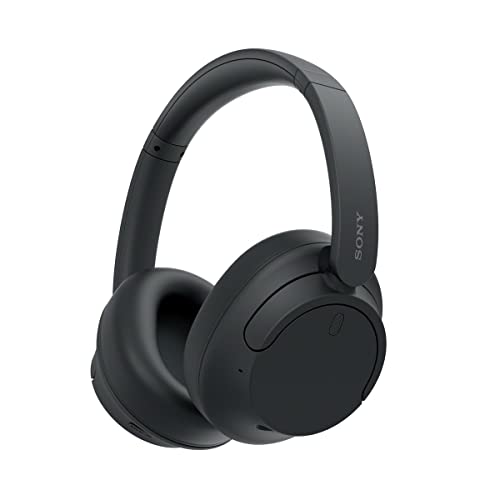
For those seeking a calming auditory experience, the Sony WH-CH720N Noise Canceling Wireless Headphones stand out with their exceptional noise-canceling technology. Weighing in at just 192g, these headphones provide incredible comfort for extended wear. Their Dual Noise Sensor Technology, paired with the Integrated Processor V1, delivers an immersive listening experience. You can easily adjust the Ambient Sound mode to suit your environment, ensuring you stay connected to the world around you. With a battery life of up to 35 hours and quick charging options, you’ll enjoy uninterrupted music and crystal-clear calls, making them perfect for anyone needing a quieter space.
Best For: Those who seek lightweight, comfortable headphones with superior noise canceling for immersive listening and extended wear.
Pros:
- Exceptional noise-canceling technology for an immersive auditory experience.
- Lightweight design at only 192g provides incredible comfort for long periods.
- Long battery life of up to 35 hours with quick charging capability for convenience.
Cons:
- Lacks some advanced features found in higher-end models.
- Limited sound customization options compared to premium headphones.
- May not provide the same level of noise isolation as over-ear models.
Soundcore by Anker Q20i Hybrid Active Noise Cancelling Headphones

The Soundcore by Anker Q20i Hybrid Active Noise Cancelling Headphones are an excellent choice for individuals with autism who may be sensitive to overwhelming sounds. With hybrid active noise cancelling technology, these headphones reduce up to 90% of external noise, perfect for environments like airplanes or offices. You’ll love the oversized 40mm dynamic drivers that deliver rich sound and deep bass, enhanced by BassUp technology. Plus, they offer a remarkable 40 hours of battery life with ANC on. Dual Bluetooth connections allow seamless switching between devices, while the Soundcore app lets you customize your audio experience for ultimate comfort.
Best For: Individuals with autism who are sensitive to overwhelming sounds and require effective noise cancellation in various environments.
Pros:
- Hybrid Active Noise Cancelling technology reduces up to 90% of external noise.
- Long battery life of 40 hours with ANC on, ensuring extended use without frequent charging.
- Customizable audio experience through the Soundcore app, allowing for tailored sound profiles.
Cons:
- The size and weight of the headphones may not be comfortable for all users during prolonged use.
- Noise cancellation effectiveness can vary depending on the type of external noise.
- Some users may find the audio quality less appealing without using the Hi-Res audio option.
Factors to Consider When Choosing Headphones for Autism
When choosing headphones for autism, you’ll want to take into account several key factors. Sound quality and noise cancellation features are essential for creating a calming environment, while comfort and fit guarantee they can be worn for extended periods. Don’t overlook durability, design, and battery life, as these will impact daily use and enjoyment.
Sound Quality Importance
Choosing the right headphones for individuals with autism hinges considerably on sound quality. Clear and balanced audio can help reduce sensory overload and enhance the listening experience. Look for headphones with a frequency response of 20 Hz to 20 kHz; this range guarantees that both low and high frequencies are represented well. Additionally, high sensitivity ratings, like 101 dB, allow for effective sound delivery at lower volumes, preventing auditory fatigue. Comfort is also crucial—soft ear cups and adjustable sound profiles contribute to longer, more enjoyable listening sessions. By focusing on these sound quality factors, you can create a more immersive and pleasant auditory environment, which is essential for individuals with autism.
Noise Cancellation Features
Finding headphones with effective noise cancellation features can greatly enhance the listening experience for individuals with autism. This technology reduces external distractions, allowing you to focus better on your environment or tasks. Advanced noise-canceling features minimize sounds from crowded or chaotic settings, creating a calmer auditory experience. Look for headphones that offer adjustable noise cancellation modes; this way, you can choose between complete isolation and awareness of your surroundings based on the situation. The effectiveness of noise cancellation can vary, so consider models that use multiple microphones and sophisticated algorithms for best sound isolation. Personalization options, like customizable sound profiles and ambient sound controls, can also help tailor the listening experience to meet your unique sensory preferences and needs.
Comfort and Fit
Selecting headphones that prioritize comfort and fit is vital for individuals with autism, as discomfort can trigger anxiety and sensory overload. Look for headphones with soft ear cushions and ergonomic designs to enhance comfort during extended use. Lightweight models are preferable since they reduce pressure on the head and ears, which is especially beneficial for sensitive individuals. A secure fit is important, as it helps block out distracting external noise, allowing users to focus on their audio experience without constant adjustments. Additionally, consider headphones with adjustable features, like customizable ear tips or headbands, to accommodate different head sizes and shapes. This way, you guarantee ideal comfort tailored to individual needs, promoting a more enjoyable listening experience.
Durability and Design
When it comes to headphones for individuals with autism, durability and design play essential roles in guaranteeing a positive experience. You’ll want to prioritize a strong design that can handle rough handling and accidental drops, which helps guarantee longevity. A lightweight and comfortable fit reduces sensory discomfort during long listening sessions, so look for models with soft ear cushions and adjustable headbands that accommodate various head sizes. A snug fit is also significant, as it provides passive noise isolation to minimize distractions. Finally, selecting foldable or portable designs makes storage and transportation easy, perfect for using in different environments like home, school, or travel. Keeping these factors in mind will help you choose the best headphones for your needs.
Battery Life Considerations
Battery life is an essential consideration for headphones designed for individuals with autism, as longer-lasting devices minimize disruptions caused by recharging. Ideally, you should look for headphones with at least 30 hours of battery life, ensuring extended listening sessions without interruptions. This can be especially important for maintaining focus and engagement with audio content. Additionally, consider models with quick charging features; gaining several hours of playback from just a few minutes of charging can greatly reduce downtime. Balance battery life with comfort, as prolonged use without needing a recharge enhances the overall experience. Reliable battery performance helps create a consistent auditory environment, which is critical for those sensitive to changes or interruptions.
Connectivity Options Available
Choosing the right connectivity options can greatly enhance the experience of using headphones for individuals with autism. Opt for Bluetooth versions 5.0 or 5.3, which guarantee quick pairing and stable connections across devices. With a range of up to 10 meters (about 33 feet), you’ll enjoy freedom of movement without being tethered to your device. Look for models with multi-point connection capabilities, allowing you to switch between devices seamlessly. Built-in microphones can improve communication during phone calls or virtual interactions. Finally, consider headphones that support app customization for sound and EQ adjustments, so you can tailor the audio experience to your preferences, creating a more comfortable auditory environment.
Weight and Portability
Comfort plays an essential role in selecting headphones for individuals with autism, and weight is a key factor in achieving that comfort. Lightweight headphones, ideally under 250 grams, guarantee extended wear without causing fatigue. Look for designs that distribute weight evenly to prevent unnecessary pressure on the head, which can be distracting for sensitive users. Foldable options add to portability, making it easy to carry and store your headphones while traveling or on-the-go. Consider compact in-ear or over-ear designs to minimize bulk, catering to those who prefer less noticeable options. Finally, opt for softer, lighter materials that enhance comfort, guaranteeing an enjoyable listening experience without compromising on functionality.


